

Legalise unconsented work NZ: a homeowner's guide

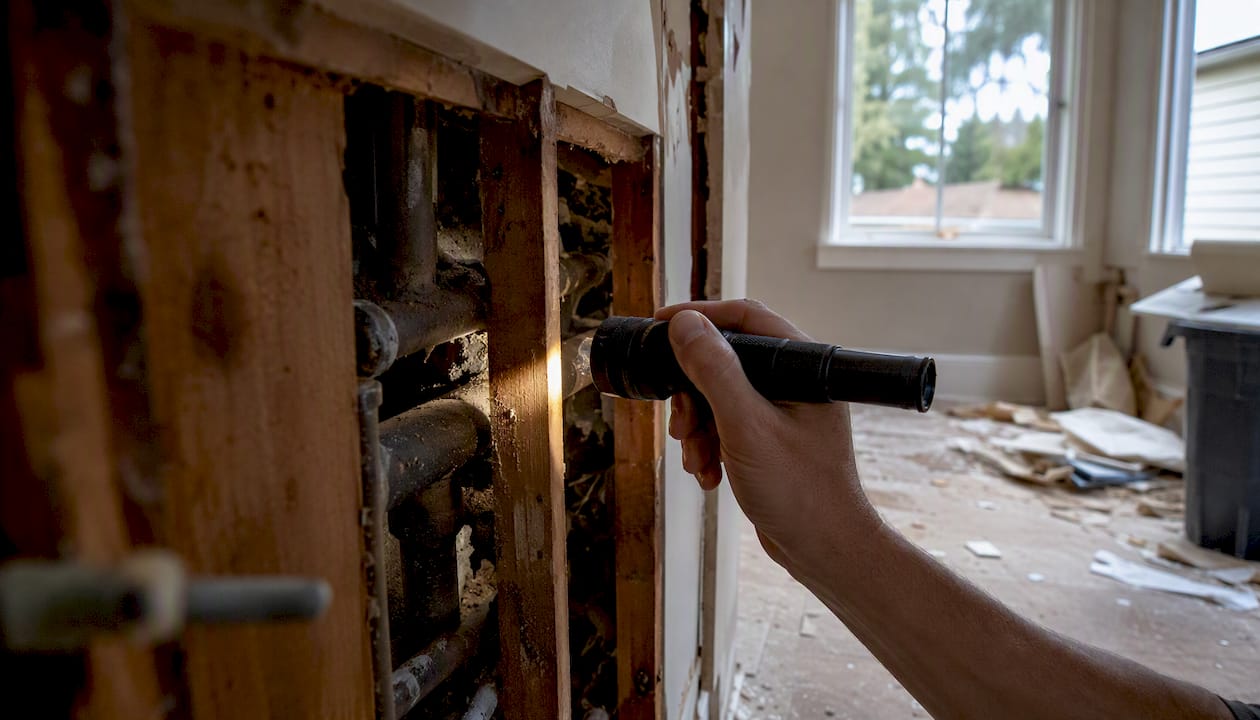
Yes, you can legalise most unconsented building work in New Zealand. The primary route is a Certificate of Acceptance (CoA), issued by your local council under the Building Act 2004. If the work qualifies as exempt under Schedule 1, no CoA is needed, though the work must still meet the Building Code. For work that cannot pass a CoA process, the practical alternative is consented remediation or removal.
Three things to know before you proceed:
A CoA gives limited assurance, not a clean bill of health. It can list exclusions where the council could not verify compliance.
Unconsented work affects sale, insurance and mortgage finance, regardless of whether you pursue a CoA.
A gap analysis from a building professional before you apply can save significant cost and time.
Key takeaways
A Certificate of Acceptance is the primary legal route to legalise unconsented building work in New Zealand, but it provides limited assurance and does not remove the risk of sale, insurance, or finance complications.
Point | Details |
CoA is the main route | Councils can issue a CoA for work after 1 July 1992; processing takes 20 working days plus inspection time. |
Get a gap analysis first | A building professional’s gap analysis prevents wasted CoA fees on work that cannot pass inspection. |
Disclose before you sell | Vendors who fail to disclose unconsented work risk compensation claims under the Agreement for Sale and Purchase. |
Insurance and finance are at risk | Insurers may decline claims linked to non-compliant work; lenders may exclude unconsented elements from security. |
Sortedhomesolutions | Manages trades, documentation, council liaison, and remedial build end-to-end for Auckland homeowners. |
Table of Contents
How New Zealand law treats unconsented work
The Building Act 2004 does not provide a retrospective building consent. There are three statutory paths available.
Certificate of Acceptance (CoA): Under section 96 of the Building Act, a council can issue a CoA for building work carried out without consent, generally for work completed after 1 July 1992. The council should process applications within a statutory window generally regarded as around several weeks, though total timelines are longer once inspections and any remedial work are factored in. A CoA may list exclusions where the council could not physically inspect the work.
Schedule 1 exemptions: Schedule 1 of the Building Act lists low-risk activities that do not require a building consent. Exemptions are not retrospective. This means you cannot apply an exemption to past work simply because similar work would be exempt today. Exempt work must still comply with the Building Code, and you may still choose to apply for consent for insurance or finance purposes.
CoA vs Code Compliance Certificate (CCC): A CCC is issued when consented work is inspected and confirmed compliant at each stage. A CoA is issued after the fact, with limited inspection access. As council guidance confirms, a CCC provides stronger assurance than any retrospective remedy. Lenders and insurers treat the two documents differently.
A CoA does not erase the record of non-compliance. Industry practitioners note it flags past non-compliance and can attract extra scrutiny from buyers and lenders.
Step-by-step: how to legalise unconsented work in New Zealand
Follow this sequence. The owner applies for the CoA; the supporting documents come from licensed professionals.
Stop any ongoing work and photograph everything in its current state.
Check the 1 July 1992 rule — work before that date is generally not eligible for a CoA.
Commission a gap analysis from a Licensed Building Practitioner (LBP) or Chartered Professional Engineer (CPEng) to assess whether the work can meet the Building Code.
Engage a solicitor to review your sale and purchase agreement if a property transaction is involved.
Prepare your application documents and submit to your local Building Consent Authority (BCA).
Respond to council requests for invasive inspection (opening walls, floors or cladding) promptly.
Receive the CoA or notice to fix, then act on any conditions or exclusions listed.
Document | Who provides it |
Architectural plans or as-built drawings | Designer or draughtsperson |
Statement of work and LBP certificate | Licensed Building Practitioner |
Structural or engineering report | Chartered Professional Engineer (CPEng) |
Site photographs and records | Owner or builder |
Legal advice on warranties and disclosure | Practising solicitor |
Engaging your council’s building consent officers early is practical. Explain the situation clearly, ask what evidence they require, and confirm the scope of any required inspections before you commit to opening up finishes.
What to expect on costs and timelines
The council’s statutory processing window is 20 working days for a CoA application. In practice, total timelines from application to outcome commonly run several months once inspections, remedial work and any re-inspections are included.
Cost depends on complexity:
Simple, accessible work (a deck, a minor structural addition): council fees plus LBP and inspection costs.
Complex or concealed work (structural alterations, wet areas, cladding): significantly higher, because the council will require invasive verification. Opening up walls or floors adds both contractor and professional fees on top of the application cost.
Pro Tip: Get a gap analysis before lodging a CoA application. For minor or easily reversible work, the total cost of a CoA process can exceed the value it adds to the property. Knowing this upfront lets you weigh removal or consented replacement against remediation.
Possible outcomes are: CoA granted (with or without exclusions), CoA refused with a notice to fix, or a council requirement to remove or replace the work entirely.
Legal, insurance and financial risks of leaving work unconsented
Ignoring unconsented work carries real consequences that can surface years later.
Sale warranties: Under the standard Agreement for Sale and Purchase, vendors may breach sale warranties if they fail to disclose unconsented work. Buyers can seek compensation after settlement.
Insurance: Insurers may decline claims where damage is linked to non-compliant work, leaving you to cover the cost yourself. This is a long-tail risk — a leak from an unconsented wet area may not surface for years.
Mortgage finance: Lenders may exclude unconsented elements from their security valuation or decline the loan entirely, causing finance conditions to fail during a sale.
Enforcement: Councils hold enforcement powers including notices to fix and fines. Unconsented work can trigger enforcement at any time, with no statute of limitations under the Building Act.
Buying or selling a property with unconsented work
If you are selling:
Disclose all known unconsented work to the buyer and their solicitor.
Order a LIM (Land Information Memorandum) to confirm what is recorded on the property file.
Consider obtaining a CoA or gap analysis before listing to give buyers and lenders confidence.
Get legal advice on your warranty obligations under the Agreement for Sale and Purchase.
If you are buying:
Order a LIM and a PIM (Project Information Memorandum) to check the consent history.
Commission a specialist building inspection from a qualified inspector.
Ask the vendor for documentation, a gap analysis, or a CoA as a condition of purchase.
Check your insurer’s and lender’s stance on unconsented elements before going unconditional.
Discovering unconsented work during due diligence commonly causes finance conditions to fail. Negotiation options include a price adjustment, a vendor-obtained CoA prior to settlement, an escrow holdback for remediation costs, or walking away if the scope is unresolvable.
When a CoA is unlikely and what to do instead
Some work cannot realistically obtain a CoA. Common reasons include:
Structural or services work that is fully concealed and cannot be verified without destructive investigation.
Work that does not meet the Building Code and cannot be brought into compliance without rebuilding.
Work completed before 1 July 1992.
If a CoA is declined or impractical, your options are:
Notice to fix remediation: carry out the work required by the council to bring the structure into compliance, then apply for a CCC through a standard consent process.
Consented rebuild: remove the non-compliant work and rebuild it under a proper building consent.
Removal: for minor structures (a shed, a small deck), removal may be the most cost-effective path.
Pro Tip: Weigh the cost of remediation against the resale value the work adds. A non-compliant bathroom extension that costs $40,000 to rebuild properly may add less than that to the sale price — removal and a fresh consent can be the better financial decision.
Which professionals to engage and what to ask them
Professional | Role | Credential to check |
Licensed Building Practitioner (LBP) | Gap analysis, statement of work, site supervision | LBP registration via MBIE |
Chartered Professional Engineer (CPEng) | Structural and services reports | CPEng registration via Engineering NZ |
Practising solicitor | Sale warranties, disclosure, legal advice | NZ Law Society practising certificate |
Building inspector | Independent inspection report | LBP or NZIBI membership |
Full-service renovation contractor | Trades, documentation, council liaison, remedial build | LBP-licensed team, references |
Ask each professional these questions before engaging them:
Can you carry out a gap analysis and provide a written report?
Will you open up concealed areas for inspection if the council requires it?
What is your estimated timeline and worst-case cost?
Have you managed a CoA application with this council before?
Who is my single point of contact throughout the process?
For homeowners who want one team to manage trades, documentation and council liaison, Sortedhomesolutions offers full-service renovation and consent management in Auckland.
Sortedhomesolutions manages consent remediation for Auckland homeowners
Unconsented work creates a clear problem: multiple professionals, council deadlines, and remedial building work all need to happen in the right order. Coordinating that yourself adds time and risk.

Sortedhomesolutions handles the full process for Auckland homeowners: gap analysis, trades coordination, documentation, council liaison, and the remedial build itself, all under one fixed-fee contract. You deal with one point of contact. The trades, the paperwork, and the council interactions are managed for you. For homeowners facing a consent issue before a sale or after a purchase, that single-team approach removes the coordination burden entirely.
Request a quote or gap analysis to get a clear picture of your options and costs before committing to a CoA application.
What experienced contractors see that the guides don’t tell you
Most homeowners assume the hard part is the paperwork. In practice, the hard part is what the council finds when they open up the walls.
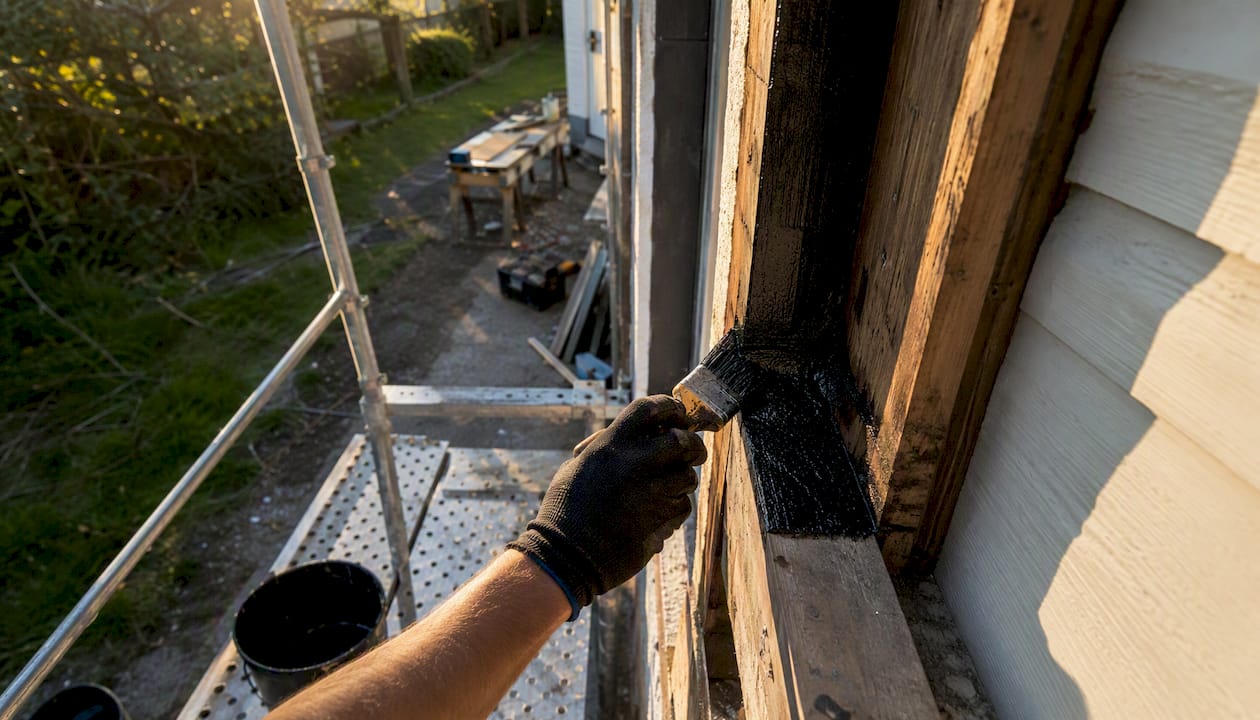
Unconsented work is rarely just a missing form. Contractors regularly find that the original work was done without proper waterproofing, without structural fixings to code, or with plumbing that does not meet current standards. A CoA application does not hide any of that. It surfaces it. That is not a reason to avoid the process — it is a reason to get a gap analysis before you apply, so you know what you are committing to.
The other thing worth knowing: councils respond well to applicants who come prepared. Arriving with as-built drawings, an LBP statement, and a CPEng report signals that you are taking the process seriously. That preparation tends to reduce back-and-forth and keeps the process moving within the statutory timeframe.
Staged approaches work. If the remedial scope is large, breaking it into consented stages lets you manage cost and keep the property liveable. A good contractor will plan that sequence with you, not just hand you a quote for the full rebuild.
This article is general information, not a substitute for advice from a qualified lawyer. Consult a qualified legal professional about your own circumstances before acting on anything here.
Sources
Recommended
Comments